POST-CONCUSSION RECOVERY
Concussion & post-concussive symptoms
Concussions often leave behind symptoms long after the injury — and long after anyone is still looking for them. Dizziness, fog, panic, sensory overwhelm, insomnia and dysregulation that don't resolve on their own.
At Flourish, we specialize in the long-haul. The confusing symptoms that didn't get enough time or attention elsewhere.
WHO THIS IS FOR
When the scans look normal but you still feel wrong
Most patients we see have already tried many of these without lasting relief:
Medications · Traditional Chiropractic · Neurology Consults · Multiple MRIs / CT Scans · Therapy or EMDR · Vestibular PT
If that's you — this is for you. Common symptoms we support:
Dizziness, vertigo, or balance disruption
Light and sound sensitivity
Cognitive fog or difficulty concentrating
Panic or anxiety that feels "out of nowhere"
Head pressure or neck tension
Fatigue or neurological shutdown
Emotional overwhelm or mood instability
Disrupted movement or coordination
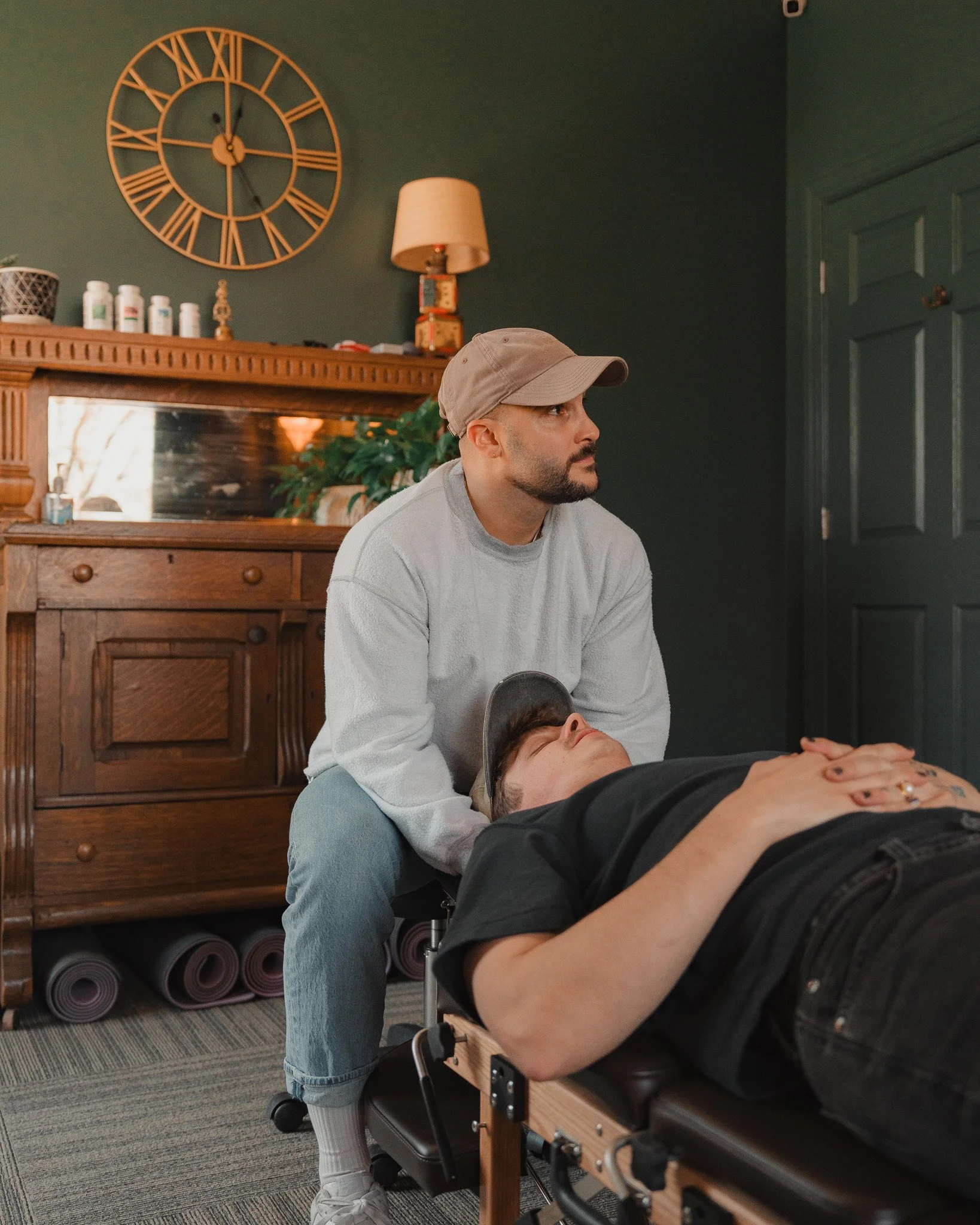
Why Flourish is different
Identifying what isn't communicating well
A concussion disrupts communication between brain systems — vestibular, visual, proprioceptive, autonomic. When these systems fall out of sync, symptoms multiply. We don't chase the symptoms. We find which systems are disconnected and rebuild the communication pathways between them.
We identify exactly which areas of the brain are underperforming — vestibular, cerebellar, cortical, brainstem — using functional neurology testing that goes far beyond what a standard neurological exam covers. Symptoms finally make sense when you understand their source.
Through specific exercises targeting the implicated areas — eye movements, balance challenges, proprioceptive input, respiratory regulation — we rebuild the brain's capacity to integrate sensory information without triggering overwhelm. Each session builds on the last.
Many post-concussion patients develop autonomic dysregulation — the fight-or-flight system gets stuck in overdrive. Panic, heart rate changes, sensory flooding, and emotional reactivity are often autonomic symptoms, not psychological ones. We treat the nervous system as a whole.
What to expect
Three steps toward lasting change
A comprehensive intake covering your full history — not just the injury. We want to understand your nervous system before the concussion, and everything that's happened since. We complete a full neurological exam and begin treatment in the first session, so you leave with clarity about what's happening and why.
We test each implicated brain system and design a rehabilitation protocol specific to your pattern of dysregulation. Sessions combine in-office treatment with precise at-home exercises. You have direct access to Dr. Benacci between sessions for questions and adjustments.
Recovery from post-concussion dysregulation is not linear — but it is possible. We track your progress closely and adapt the plan as your brain responds. Most patients notice meaningful shifts within the first few sessions, with compounding improvements over the weeks that follow.
Dr Benacci is truly phenomenal at what he does! The best best best and I’m so grateful for his care. Always feel so safe and blessed in his space, I 100% would recommend him to anyone in the Nash area!!!
— Zachary Solomon · Client, Flourish Brain Care

READY TO START?
You don't have to keep feeling this way
Schedule a free 15-minute consultation to see if Flourish Brain Care is the right fit for where you are in your recovery.